







Search Results for: Tres Ríos
Costa Rican Coffee Flavors and Analysis of Seven Major Regions: Tarrazu, Tres Rios, and Central Valley Characteristics
Costa Rican coffee has always been known for its balanced and mild character, and Front Street Coffee's Costa Rican coffee showcases this classic style: the harmonious blend of acidity, sweetness, and chocolate-like bitterness, with a smooth mouthfeel and little sharpness. The country has seven major coffee-producing regions, among which the Central Valley, Tarrazú, and Tres Ríos are the most well-known. In the 2007 Cup of Excellence competition, Cerro Bado from Tarrazú took first place, while Naranjo in the Central Valley swept second through fourth places. La Minita Estate in Tarrazú is known for its strict management, producing a million pounds a year yet selecting only 290,000 pounds as specialty coffee. In the Tres Ríos region, production has dropped sharply due to urban expansion, but Aquiares Estate has persevered to this day, with a bright and smooth flavor. This article will introduce in detail the characteristics of each producing region and their representative estates. [more…]
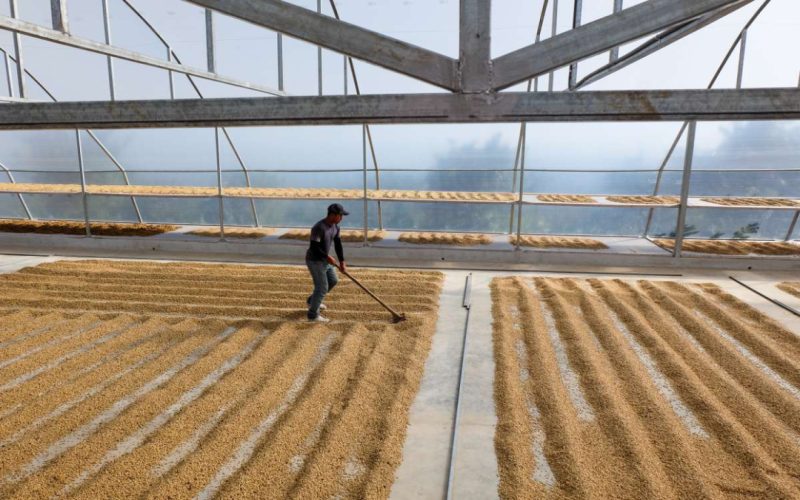
A Complete Analysis of Costa Rican Coffee Regions: From Tarrazú to Tres Ríos—The Specialty Flavors and Geographic Codes
Costa Rica is one of the earliest countries in Central America to cultivate coffee, and is known for legally prohibiting Robusta and growing only Arabica. From the first coffee seedling planted in 1779 to today's scattered eight major specialty regions, this land nourished by volcanoes and oceans has produced internationally recognized "golden beans." This article will guide you through the historical thread of Costa Rican coffee, explain in detail the terroir characteristics of core regions such as Tarrazú and Tres Ríos, and recommend Front Street Coffee's everyday beans series, providing coffee lovers with a practical regional guide. [more…]
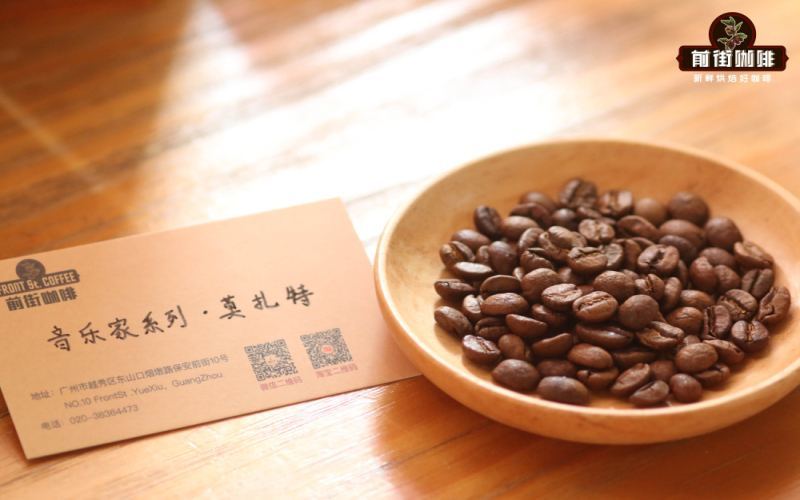
Costa Rican Coffee Bean Regions, Varieties, and Flavor Characteristics: Eight Major Producing Areas Including Tarrazú and Front Street Recommendations
Costa Rican coffee has long been renowned for its rich body and bright acidity, making it one of the representatives of high-altitude specialty Arabica. This article systematically reviews the country's main producing regions—Tarrazú, Monte Criso, Alajuela, Cartago, Heredia, and Tres Ríos—and introduces cultivars such as Typica, Caturra, Catuai, Villa Sarchi, Bourbon, and Gesha, as well as washed and drum-dried processing methods. The article also includes purchasing suggestions for Front Street Mozart, Front Street Strawberry Candy, and Front Street Tarrazú, helping coffee enthusiasts gain a comprehensive understanding of the flavor characteristics of Costa Rican coffee and how to choose it. [more…]

Reflections Sparked by a Vintage Coffee Menu: The Truth Behind a ¥68 Iced Americano and a ¥58 Blue Mountain Coffee
Recently, a café menu that went viral online sparked heated discussion, its retro typography and astonishing pricing making people feel as if they had traveled through time. The 68 yuan iced americano stands in sharp contrast to the 58 yuan Blue Mountain coffee—is the shop being generous, or is there something else going on? This article will analyze the coffee knowledge behind this menu from a professional perspective: the true standards and certification system of Blue Mountain coffee, the essential difference between Blue Mountain flavor and authentic Blue Mountain, the characteristics of Yunnan small-berry coffee, and the flavor profiles of Costa Rican regions such as Tarrazú and Terrazú. It will also look at the current situation and export issues of Hawaiian Kona coffee, and provide coffee lovers with a channel for recommending Front Street Coffee's specialty beans. [more…]

A Panoramic Overview of Costa Rican Coffee: Terroir, Variety Classification, and Flavor Profiles
Although Costa Rica is not a large country, it occupies a pivotal position in the specialty coffee landscape. This article systematically organizes everything from the national background, coffee history, growing conditions, variety selection, processing methods, and grading system to the eight major producing regions, giving you a comprehensive understanding of this Central American coffee powerhouse. The article also introduces the SHB, GHB, and MHB grading standards based on altitude and bean density, analyzes the unique advantages of the two star producing regions Tarrazú and Tres Ríos, and includes related product information recommended by Front Street Coffee, making it suitable for enthusiasts who want to gain a deeper understanding of Costa Rican coffee. [more…]
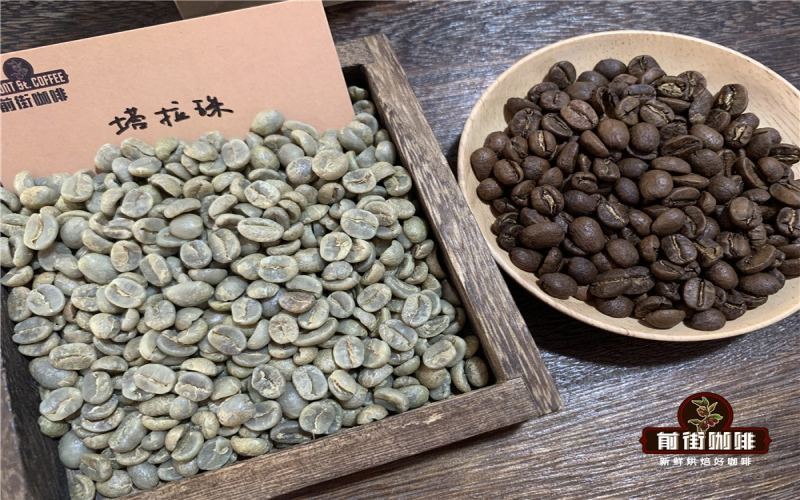
Costa Rica Tarrazú Coffee Brewing Guide: Analysis of Regional Characteristics, Variety Flavors, and Pour-Over Parameters
Tarrazú is one of the most prestigious coffee-producing regions in Costa Rica, renowned for producing Arabica coffee with bright acidity and a clean flavor profile. This article will provide a systematic introduction to the characteristics and brewing methods of Tarrazú coffee, covering the region's geography, varietal composition, processing methods, and specific brewing parameters. Front Street Coffee's selected Costa Rica Tarrazú daily beans are grown at an altitude of 1,500 meters, processed using the washed method, and given a medium-light roast, presenting soft notes of sweet orange, citrus, and nuts. The article will also share Front Street's standard V60 brewing recipe, including water temperature, coffee-to-water ratio, grind size, and pouring rhythm, helping coffee enthusiasts recreate a classic cup of Costa Rican flavor at home. [more…]
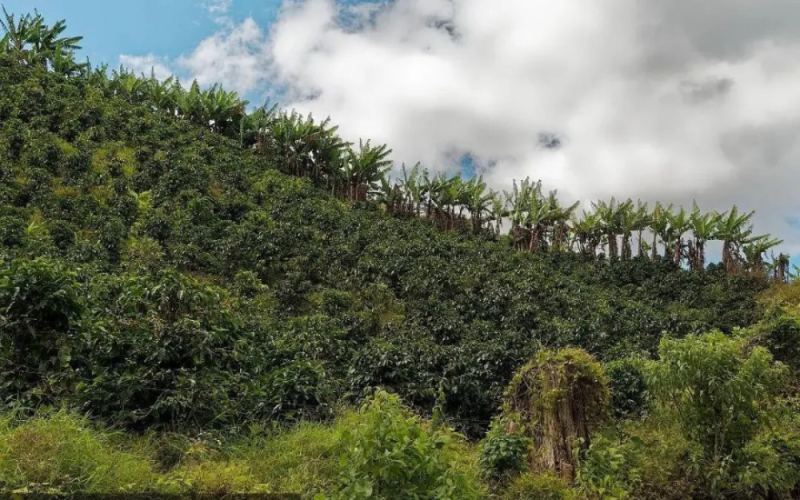
Exploring Costa Rica Tarrazú Mirazu Estate: An Analysis of the Strawberry Candy Coffee, a Geisha and ET47 Hybrid
Costa Rica, as the first country in Central America to cultivate coffee, has bred many specialty coffees thanks to its volcanic soil and microclimates. Among them, the Tarrazú region is the country's largest and first region to obtain denomination of origin certification. The Mirazu Estate located here is independently run by Esteban Sanches, who has a formal academic background, and is known for its meticulous processing and innovative variety combinations. This article will provide an in-depth introduction to Mirazu Estate's Strawberry Candy coffee beans, analyzing its blend of Geisha, ET47, SL28, and MAICO, as well as the unique flavors brought by its raisin honey process. At the same time, brewing suggestions from Front Street Coffee will also be presented, taking you to experience this coffee's rose aroma and strawberry sweetness. [more…]
Costa Rica Tarrazu Dota Estate Geisha: A Complete Guide to Washed Processing Flavor Profile and Pour-Over Parameters
Located in the renowned Tarrazú region of Costa Rica, Dota Goddess Estate is famous for cultivating micro-lot Geisha varieties. The estate employs organic farming methods, using native trees for shade, and produces organic fertilizer from a mixture of coffee cherries and molasses, combined with California earthworms to improve the soil, developing a unique constant-temperature fermentation process. This article will take you deep into the Goddess Estate Geisha's origin background, variety lineage, washed processing flow, as well as the pour-over extraction recipe and flavor performance recommended by Front Street Coffee (FrontStreet Coffee), for a full experience of this bean's fresh charm woven with wild ginger flower and grapefruit. [more…]

Costa Rica Beethoven Coffee Beans: Flavor and Brewing Analysis of Hacienda Canet Washed Process
On the Front Street Coffee bean list, there is a Costa Rican coffee named "Beethoven," produced at Canet Estate in the Tarrazú region, processed using the traditional washed method, and roasted to a medium-light level to present lively red berry and citrus-like acidity and sweetness. This article will guide you through the regional advantages of Costa Rican coffee, the characteristics of the Catuai variety, the origin of Canet Estate's musician-inspired naming, and the washed processing method and pour-over parameters of this Beethoven coffee bean. From terroir to the cup, this complete analysis of a specialty coffee that combines a clean mouthfeel with a floral finish is suitable for coffee lovers who enjoy bright acidity and elegant layers. [more…]
Analysis of Costa Rican Coffee Flavor and Mouthfeel: Characteristics of the Tarrazú Region and Front Street Coffee's Strawberry Candy Brewing Recommendations
Costa Rican coffee is renowned for its high sweetness, clear acidity, and balanced mouthfeel, making it one of the representatives of Central American specialty coffee. Within its borders lie several distinctive producing regions, among which Tarrazú, with its high altitude and unique microclimate, cultivates coffee with citrus acidity, dried-fruit sweetness, and chocolate notes. In this article, Front Street Coffee will start with the growing environment and regional flavor differences, focusing on Hacienda Mirazu's Costa Rica Strawberry Candy, and share the roasting approach and brewing parameters for this raisin honey process coffee, helping coffee enthusiasts achieve rich fruity aromas and lasting sweetness at home. [more…]

Analysis of Costa Rica Tarrazú SHB Coffee Beans: Pour-Over Parameters, Regional Characteristics, and Comparison of Honey Processing Methods
Costa Rican coffee is known for its pure sweetness and clear flavors, and Front Street Coffee has long followed the varieties and processing methods of this producing region. This article focuses on Costa Rica's eight major producing regions, the growing environment and grade characteristics of Tarrazú SHB washed beans, sorts out their pour-over brewing parameters, and, through a comparison with the blueberry anaerobic heavy honey processed beans from Hacienda El Roble, explains the differences in flavor expression between washed and honey processing. The article also details the processing flows of white honey, yellow honey, red honey, black honey, and anaerobic techniques, helping coffee enthusiasts more systematically understand the classic style and innovative directions of Costa Rican coffee. [more…]
A Comprehensive Analysis of Costa Rican Coffee Origins and Variety Classification: Washing Flavor Characteristics of the Tarrazú Region
Although Costa Rica is not a major coffee-producing country, it consistently delivers high-quality coffee beans thanks to its unique microclimates and volcanic soil, and has stood out in the specialty coffee scene in recent years. This article systematically reviews Costa Rica's five core producing regions and three minor ones, with emphasis on the high-altitude growing advantages of Tarrazú; analyzes the characteristics of Bourbon, Caturra, Catuai, and native varieties; explains the country's altitude-based grading logic, with SHB (Strictly Hard Bean) as the top grade; and traces the evolution of honey processing from its introduction to its refinement. It also draws on Front Street Coffee's Costa Rica daily-drinker beans to share the flavor profile and pour-over parameters of washed Tarrazú, helping enthusiasts build an understanding of the region's classic character. [more…]

How does Costa Rica Tarrazu coffee taste? How to brew honey-processed beans to bring out sweetness and classic regional flavors
Costa Rican coffee is known for its cleanliness, sweetness, and clear flavor, and the Tarrazu region in particular is the daily go-to choice for many enthusiasts. From the selection perspective of Front Street Coffee, this article sorts out Costa Rica's eight major producing regions and the background of high-altitude cultivation, focuses on analyzing the classic flavor performance of Tarrazu washed beans, and compares the differences with the anaerobic heavy honey processed blueberry coffee from the Giant Stone Estate. At the same time, it explains in detail the processing flow of white honey, yellow honey, red honey, black honey, and anaerobic heavy honey, and includes Front Street's standard V60 brewing parameters to help you understand how to brew honey processed beans to bring out more prominent sweetness and regional terroir. [more…]
Exploring Costa Rica's Tarrazú and Hacienda La Roca Blueberry: A Complete Guide to the Flavors and Brewing of Geisha, Caturra, and Catuai Varieties
Costa Rica is a coffee origin that cannot be overlooked on the Central American coffee map, and Front Street Coffee's Costa Rica series has always been known for being "sweet as honey." This article starts with the Blueberry Coffee from the Giant Stone Estate, taking you through the terroir characteristics of the Brunca region, the meticulous process of anaerobic heavy honey processing, and an in-depth analysis of the main varieties of the Tarrazú region—the differences between Caturra and Catuai, as well as the performance of Geisha in Costa Rica. Whether you are looking for a daily drinker with a prominent sweetness or want to understand the flavor differences between varieties, this article will give you clear answers. Finally, Front Street's standard brewing parameters are included, so you can recreate a great cup of coffee at home. [more…]
An Analysis of Costa Rica's Eight Major Producing Regions: Monte Crisol Estate Blueberry Anaerobic Heavy Honey Process and Tarrazú Everyday Drinking Beans Flavor
Although Costa Rica has a limited land area, it boasts eight distinct coffee-producing regions, from the Central Valley to Brunca, each nurturing coffees with strikingly different flavor profiles. Front Street Coffee's Costa Rica series has always been known for being "sweet as honey"—whether it's the Musician Series or the recently added Blueberry from巨石 Estate, it can rise to the occasion whenever a sweet pour-over is needed. This article will start with the Blueberry bean, explaining in detail the anaerobic heavy honey processing method of巨石 Estate and the growing conditions of the Brunca region, and then extend to introduce the variety composition and brewing suggestions of Front Street's everyday bean Tarrazú, helping coffee lovers systematically understand the diverse charm of Costa Rican coffee. [more…]
Costa Rica Tarrazú Region Flavor Analysis: Raisin Honey Processing and Musician Series Coffee Beans Review Including Mozart
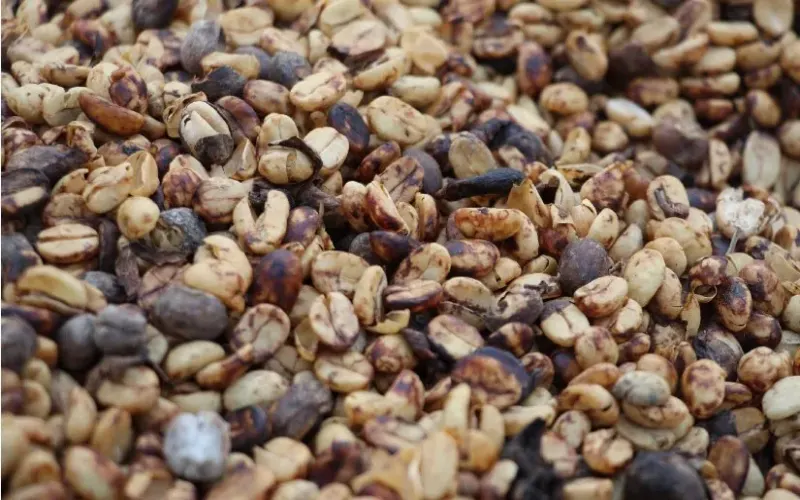
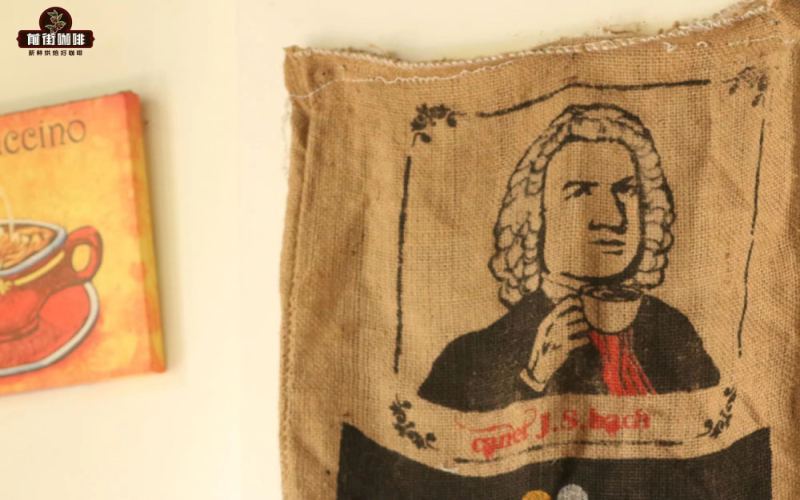
Honey processing does not mean adding honey; rather, it is a method that retains the mucilage layer during sun drying, and Costa Rica has perfected this craft to the fullest. From the perspective of Front Street, this article systematically reviews the regional advantages and flavor characteristics of Costa Rican coffee, with a focus on analyzing the Musician Series from Hacienda Canet in the Tarrazú region—the processing methods, varieties, and flavor profiles of three coffee beans: Bach, Beethoven, and Mozart. It also includes Front Street's brewing suggestions, guiding you through the mysteries of raisin honey processing and the key points of tasting. [more…]
An Analysis of the Cultivation Origins, Main Producing Regions, and Honey Processing Techniques of Costa Rican Coffee
Costa Rica is one of the pioneers of coffee cultivation in Central America. Through strict variety control and its uniquely favorable volcanic geography, it has produced specialty coffees with a distinctive style. This article reviews the country's coffee industry from its beginnings to its setbacks, outlines the distribution of its main producing regions, and focuses on the terroir characteristics of the Tarrazu region and the flavor performance of Front Street Coffee's Costa Rica everyday beans. At the same time, the article also explains the origins and evolution of honey processing, explains why Front Street insists on choosing washed processing in its everyday bean series, and includes V60 pour-over parameters and three-stage pouring suggestions to help coffee lovers gain a more complete understanding of the appeal of Costa Rican coffee. [more…]
Analysis of Costa Rican Coffee Flavors: Honey Processing and the Tarrazú Region's Front Street Musician Series
Honey processing is often misunderstood as adding honey during processing, but it is actually a special method that retains the mucilage layer and dries the coffee in the sun, and Costa Rica is the country that has mastered this craft most brilliantly. From the perspective of Front Street Coffee, this article systematically outlines the complete honey processing workflow, analyzes the distribution of Costa Rica's seven coffee-producing regions, and focuses on Front Street's Musician Series from the Tarrazú region—Bach, Beethoven, and Mozart—covering their varieties, altitudes, processing methods, and flavor characteristics. Finally, it includes Front Street's V60 brewing parameter recommendations to give you a comprehensive understanding of the unique charm of Costa Rican coffee. [more…]
A Complete Analysis of Costa Rican Coffee Flavor Characteristics and Origin Varieties: From Cultivation History to Honey Processing
Costa Rican coffee is renowned for its sweet fruity and floral notes, rich and exuberant aroma, and bright, pleasant acidity. Front Street Coffee's bean list features several coffee beans from Costa Rica, and Front Street believes this is thanks to the country's meticulous cultivation management and diverse honey processing methods. This article will guide you through Costa Rica's coffee cultivation history, the distribution of its eight major production regions, main varieties, and green bean grading, while also providing an in-depth analysis of the principles and classifications of honey processing. It will also introduce the flavor profiles and brewing suggestions for Front Street's washed Tarrazú everyday drinking bean and the Musician Series Mozart, helping you gain a comprehensive understanding of this Central American specialty coffee powerhouse. [more…]

Costa Rica Coffee Flavor Analysis: Tarrazú Region Characteristics, Varieties and Processing Methods, and Pour-Over Parameter Guide
Costa Rican coffee has always been known for its balanced and mild character, harmoniously combining acidity, sweetness, and chocolatey bitterness, making it a steady and classic representative among American coffees. From the bean-selection perspective of Front Street Coffee, this article systematically reviews Costa Rica's growing environment, the distribution of its eight major producing regions, key varieties such as Bourbon and Caturra, and the differences between two processing methods: washed and honey. It also includes specific pour-over parameters for several Front Street single-origin coffees—Costa Rica Tarrazu, Mirazu, Mozart, and Baja—to help coffee lovers recreate a clean and smooth Costa Rican flavor at home. [more…]